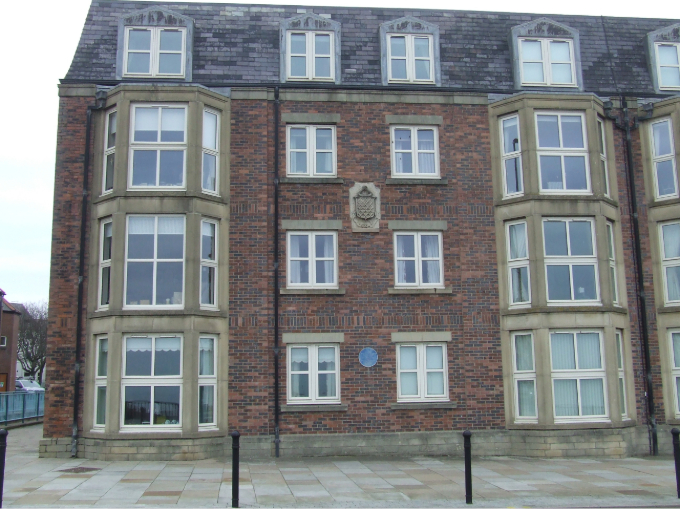
Bridon Wire Mill, Doncaster
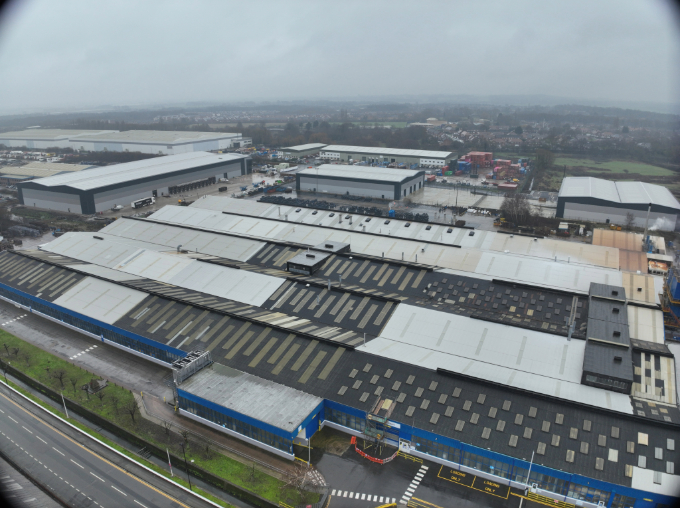
The Bridon Wire Mill in Doncaster manufactures steel wire used to fabricate steel ropes for use in infrastructure, marine and construction projects. The raw wire material is drawn through sizing machines to reduce the wire to the required diameter. This is then cleaned by acid pickling and galvanised in zinc baths. The finished galvanised wire is then distributed to a manufacturing plant and fabricated into steel ropes.
We were instructed by Bridon Bekaert to undertake an investigative study of the roof and drainage installation to the wire rope manufacturing facility following partial roof replacement works undertaken between 2024-2025. The roof to the Mill is approximately 31,000m².
Those replacement works involved the removal and replacement of approximately 60% of the existing asbestos reinforced profiled cement roof covering with a new twin-skin metal roofing system including fibrous insulation, GRP box profile rooflights, and uninsulated gutters. The replacement works were paused as water was continuing to discharge into the Mill as a result of surcharging gutters in a number of locations.
We were instructed to analyse the drainage performance of the new roofing work and the existing installation. We also assessed the thermal performance of the replacement roofing covering, to determine whether the replacement works undertaken should be continued and completed, or whether all the new roofing should be removed and replaced.
Our analysis of the drainage installation involved investigating both the above ground drainage system, i.e. gutters, roof areas, and downpipes, and the below ground drainage system, i.e. underground pipework and manholes. To assist in those investigations, we coordinated the undertaking of a drone survey of the roof and gutters, and a CCTV survey of the existing underground drainage system. Those surveys confirmed debris had accumulated within some gutters. And, that 60% of the underground drainage pipework was either partially blocked, fully blocked, or collapsed. The debris to the gutters appeared to consist of metal particles deposited from the extraction system to the wire drawing machines.
We also analysed the hydraulic adequacy of the gravity drainage system by using the calculation methodology in BS EN 12056:2000. Those calculations determined the quantity of rainwater run-off from the roof areas that would then be collected in the valley gutters and discharged via the rainwater downpipes into the underground system; the capacity of the valley gutters; and, the capacity of the connecting rainwater downpipes. Those calculations demonstrated the majority of the gutters lacked the capacity to carry the anticipated volume of rainwater from the roof and into the downpipes as they were undersized. In addition, it was concluded that there were an insufficient number of downpipes serving some areas of the roof.
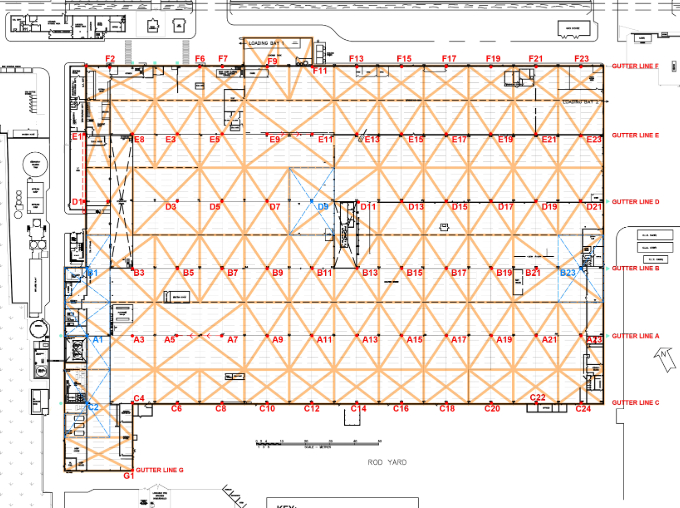
To remedy the water surcharging problems to the gutters, the provision of enlarged gutters and additional rainwater downpipes was recommended, as well as remedial works to the underground drainage and the installation of a new extraction system to the wire drawing machines. Those works would prevent the accumulation of debris within the gutters.
We provided a Report to Bridon Bekaert detailing our analysis and recommended remedial works, which included cost estimates for undertaking those works. Unfortunately, those proposed remedial works will not now be implemented following the decision by Bridon Bekaert to close the Mill at Doncaster and transfer production to the Czech Republic.